Television


What happened in 2010?
- Winter olympics
- Icelandic earthquake
- Chilean miners
- Time square bomber
- Ink cartridge bombs
- Wiki leaks
- North south Korea tensions
- BP oil spill
- Haiti earthquake
What was happening politically in 2010?
In the second year of Obamas presidency, a lot of things went on like major events we'll remember for a long time, and some minor ones we'd rather forget. From the GOP takeover to the "Ground Zero Mosque," 2010 was a year of major legislation and partisan fervour.
In the second year of Obamas presidency, a lot of things went on like major events we'll remember for a long time, and some minor ones we'd rather forget. From the GOP takeover to the "Ground Zero Mosque," 2010 was a year of major legislation and partisan fervour.
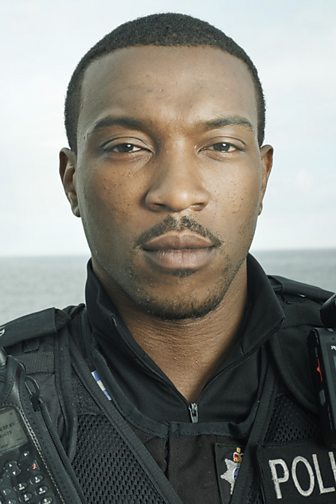
For this reason he’s been charged with mentoring the new rookie cop, Jake, who just happens to be the Chief Super’s son. But uncompromising Ryan doesn’t care who Jake’s Dad is, he has high expectations and expects Jake to meet them.
A devoted single dad to his two children, Ryan has equally high standards at home but his controlling and over-bearing nature threatens to drive away those he loves most.
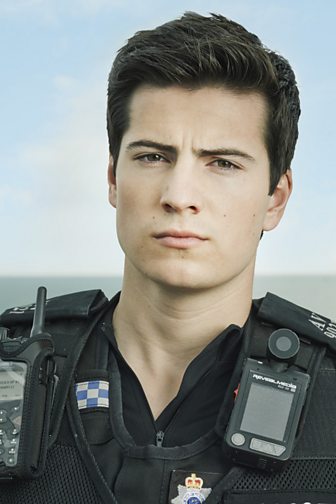
But working in the same division as his Chief Super Dad, Jake soon realises that being the boss’ son isn’t a bed of roses – in fact it’s full of thorns – as his new Tutor Constable Ryan is quick to point out his every fault.
Self-assured, if a little naïve, Jake is determined to earn his place on the team but fails to realise that a romance with provocative defence solicitor Simon, could undo all of his hard work.
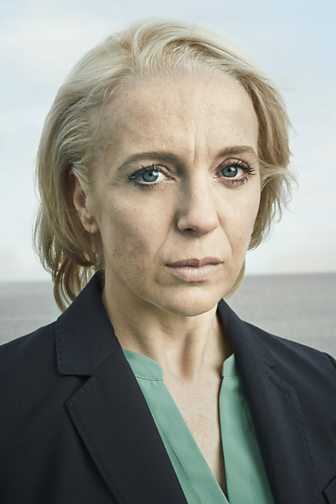
Diligent and organised, she always does everything by the book and gets results.
But whilst her career is going from strength to strength, her personal life isn’t. Lonely and divorced, Jo is having an affair with Robert, her Chief Super.
Whilst initially Jo was happy with the no-strings-attached arrangement, she’s now realising she’s constantly at the raw end of the deal.
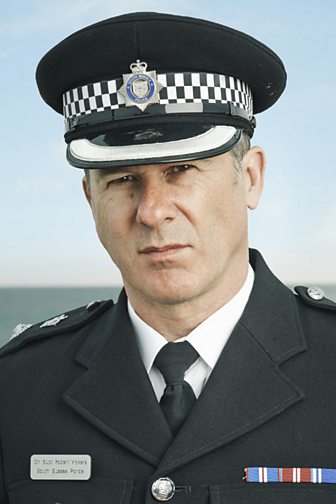
And he’s always successfully managed to emotionally separate his career and his family...until now.
As Robert struggles to cope with wife’s recent cancer diagnosis, seeking refuge in the arms of one of his reports, and with his son now joining the force; Robert’s personal and professional lives are set to collide.

But Carl is starting to feel the strain as he’s stretched too thinly between his job, his wife, toddler, and three demanding daughters from a previous marriage.
Carl’s new wife wants another baby but Carl’s not keen, and his reckless habit of acting first and thinking later may be about to come back to haunt him.
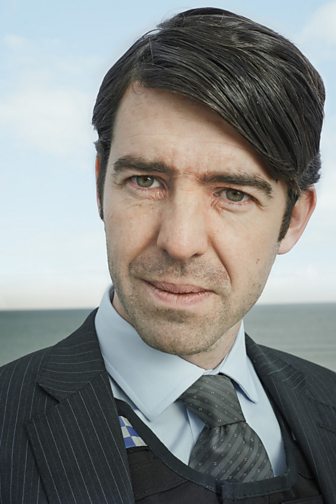
Introverted and secretive, he never gives anything away about himself; he never invites any sort of emotional intimacy.
Felix has always been a loner but he now has newfound responsibilities to contend with... whether he wants them or not.
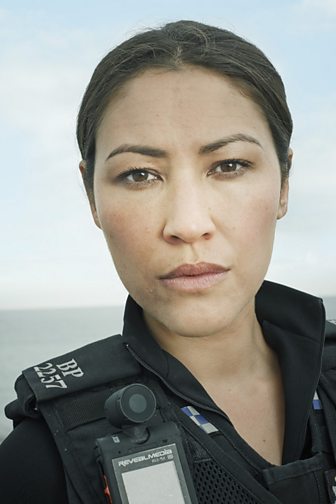
Dependable and capable, she loves her job and working with her best mate Lino - they make a brilliant crime fighting duo - but her overbearing nature is starting to put a strain on their partnership.
To top it all, Donna’s tendency to prioritise work over home is also causing issues in her personal life. Will Donna ever strike the right balance?
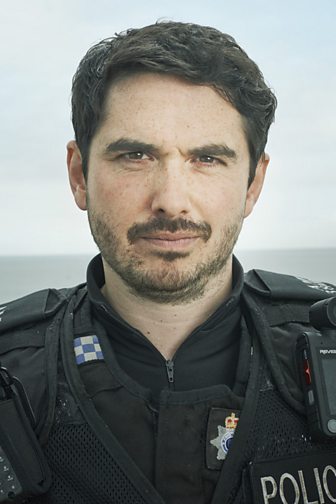
An eternal bachelor on the lookout for love, he loves working with his best mate Donna.
They make a great team, but his love of doughnuts and failing fitness levels is beginning to threaten their partnership.
Consider:
Camera work / miss en scene
Opening shot is fast drone tracking shot in Brighton is a fun place to live because its fun and fast moving. After this theres a low angle close up connotes in modern britain has equal rights. Steady cam footage the fact the camera moves slightly creates tension making you feel edgy. life in modern britain can be rough. Over shoulder shot we are supposed to get an over view of the sight. Pan crowd shot of police shows police are inclusive in modern britain. High shot of the lad culture is taken high because they look down on this behaviour. Medium showing someone filming the police getting involved and this shows that you can't do anything without someone filming it. There are problems with violence. Low camera shot shows patriarcle hierarchy of chief of police. Low angle of the man punching the policeman reinforces the idea that people don't respect the law.
- How is 'britishness' represented in this scene in terms of mies-en-scene?
- How is war paranoia/racism represented in this scene through mies-en-scene?
- What stereotypes were used in episode 1?
Consider:
- Nationalities
- Gender
- Job roles
- Places
4. How was Steed represented in episode 1?
Consider:
- Costume
- Setting
- Props
- Actions
- Dialogue
- Stereotypes
Camera work / miss en scene
Opening shot is fast drone tracking shot in Brighton is a fun place to live because its fun and fast moving. After this theres a low angle close up connotes in modern britain has equal rights. Steady cam footage the fact the camera moves slightly creates tension making you feel edgy. life in modern britain can be rough. Over shoulder shot we are supposed to get an over view of the sight. Pan crowd shot of police shows police are inclusive in modern britain. High shot of the lad culture is taken high because they look down on this behaviour. Medium showing someone filming the police getting involved and this shows that you can't do anything without someone filming it. There are problems with violence. Low camera shot shows patriarcle hierarchy of chief of police. Low angle of the man punching the policeman reinforces the idea that people don't respect the law.
Sound
Diegetic ambient sound of seagulls suggest britain has a leisure society and people have time to go to the seaside. Non diegetic music tense and quirky social tentions in britain. Diegetic police radio connotes in britain we have a problem with crime. We know the police man is the hero and alpha male because he speaks cleary with a low voice and this shows masculinity. Diegetic dialogue chief of police 'they will have positive interactive with the public' juxtoposion is used here because they don't have positive interaction with public. 'While enduring respect to the public they serve'. 'Seriously what is the point in you' shows there aren't enough police to deal with the crimes going on.
Editing
Continuity- seeing the same view from different angles. Sound bridge makes it flow. Voice over- being used as a sound bridge that links the two scenes. Parallele editing goes through the scene. connotations- absolute lack of respect for the police in britain.
1960s
- 1940s-50s, people didn't have anything and were all conservative
- By the end of the 50s, people were financially stable and started to save up
- Younger generation had money and jobs
- The cold war was ongoing in the 1960s
- Vietnam war in the US affected the UK
- The cold war was a race to see who could develop a nuclear weapon first
- It was a patriarchal society as men were more dominant over women
- Particularly the mid 60s you had the younger generation and the older generation who were far more political and male dominant
who were the most famous bands?
the beatles, the rolling stones, bob dylan
which political party was in power?
labour
which drugs were a big part of the culture?
weed and acid, LSD (mind altering drugs)
what scientific development changed women lives?
the contraceptive pill
what were people protesting about in the uk?
peace rather than war
How can the following areas be seen in the avengers episode?
- Gender equality changing
- Patriarchal society
when the camera angles in the clips are making mr steed look bigger than he is and as though he's much tougher than mrs peel.
- Youth movement in fashion/art/music
- changing attitudes to sexuality
- fear of the cold war/invasion
- civil war
- traditional British values/traditions
Friday 17th January. 2020
The avengers: The town of no return
The avengers: The town of no return
Notes:
- Seaside, stereotypical for fisherman.
- Shot on the location shows new money/equipment because of american company (ABC) had taken over.
- Her apartment and outfit represents the modern part of the 60s. They reflect the new movements in art and design and fashion.
- Steed represents the patriarchal society as a dominant male. Also he represents the older more traditional generation.
- Mrs Peel is represented as clever for writing an article on science.
- Mr Steed sexualising Mrs Peel.
- The male dominance is subtle for the 60s.
- Stereotypes of britishness.
- British pub, people playing darts, in a small village.
- Male dominance when he says she will have a drink after she said she doesn't want one.
- New music or the era rather than the traditional music.
- Small English village: school, church pub.
- Military background.
- The outfit and how she is tied up relates to bondage and sexualising women.
- How is 'britishness' represented in this scene in terms of mies-en-scene?
- How is war paranoia/racism represented in this scene through mies-en-scene?
- What stereotypes were used in episode 1?
Consider:
- Nationalities
- Gender
- Job roles
- Places
Consider:
- Costume
- Setting
- Props
- Actions
- Dialogue
- Stereotypes
Cuffs: series 1, episode 1
LO: To analyse the narratives and characters constructed in an opening episode.

- Set in Brighton
- Police drama because of the police radio (non diegetic)
- Cross cutting is used because its showing the opposite (juxtaposition) of political front of policing
- Key character is produced, jake is a key character as he is first to be introduced
- Multiple narratives
- Mise-en-scene / body language
- Technology, camera work and development of technology
- Normal conversation, no negative gestures were made when they were talking.
- Drugs, mental health, self harming and issues at that moment in time
- Sinister music plays to change the tension and show theres danger approaching
- Female in position of authority, she is in charge. equal rights.
- Signs of patriarchal society, higher positions are men
- More broken families in 2015
- Background music shows that the man feels sympathetic towards the mother of the child
- Treatment of the mans family shows the racial tension
- Stereotypes of a lawyer is negative, no conscience, they're in it for what they get
- Representation of teens at schools rebellious, they skip school, untucked shirts, scruffy
- The woman police seems more capable of her job than the male
- Public attitudes towards the police were not great
- Slow motion is used to show danger and that they're panicking
- Reality of policeman is no respect from the public
- Not enough policeman
- Use of background noises to make it seem more intense
- Camera work used to show he's accepted
Friday 31st January 2020
Television industries:2010s
LO: To explore the tv industry in 2010s and the effect on tv shows and audiences.
- shifting audience- lack of channel loyalty and identity
- loss of large mass audience except for 'event TV' - world cup, olympics, X factor final etc.
- catch up tv
- streaming tv
- box sets via streaming (sky, I player, amazon, netflix)
- move to TV shows as programmes brand for for marketing
- remakes of old shows (exploit brands) - e.g. Poldark

- break up of 'family' viewing- the fragment audience
- erosion of channel loyalty - the BBC viewer or the ITV viewer
- channel surfing - seeking the 'eye catching'
- audience as schedule creators
- 24/7 media - issues of saturation
- demand of content
- demand for quality - stars; production values
- binge viewing

- what elements did the producers choose to include and why?
The producers used a clip of a brothel to make the trailer appeal to the target audience. Also they included a clip of the policemen searching for drugs. This would appeal to the target audience because sex, drugs and crime are all of a modern aspect.
- how have they represented police life?
In the trailer, the life of a policeman comes across as hectic. This is shown when the public smack the male policeman in the chin, and when the younger policeman is being controlled by the woman out in public. They are treated with no respect.
- how have they represented personal dramas?
- how have they used media language (editing, sound, MES camerawork) to make it appeal to the target audience.
In the trailer, they used miss-en-scene to provoke the body language shown throughout the drama. the use of background music is used when danger approaches the characters or when something is intense.
- Aired October 2015
- Typically, a time aimed at wider family audiences. E.g. apprentice and strictly
- Scheduling: broadcast 8pm on a weekday. target audience of 16- 65
- Offered a range of characters and storylines to appeal to as many segments of demographic as possible
- Format appeal: fits modern post 2010 populist series format - everyday relatable storylines.
- Narrative: weekday winter pre-water shed formats are intended to be engaging but not threatening to mainstream audience values.
Passive v active audiences
1. Explain the differences and give examples
a passive audience is when people sit and watches it, without taking a blink about what it is. Whereas an active audience is when someone chooses what they want to watch and where, they will take a lot of notice on what is being shown and what is being shown and will comment of the programme. they will pay a lot of attention and take everything in.
2. Explain how the audiences for the avengers and cuffs would have been very different and why?
The audience for the avengers and cuffs would've been very different because of the amount of channels available at a certain time.
Friday 7th February
Cuffs and social values
LO: To explore todays social values and analyse how these are represented in cuffs.
What are social values?
- Values are the shape how we see the world and our place in it. they shape our actions what we see as right or wrong. they shape how we judge others and ourselves.
- When we talk about social values or the values of a society we are referring to the thinking and actions that the majority accept, the values on which our laws and rules of society are based.
- These values are not fixed, in fact they are constantly evolving.
How does cuffs represent the post 2010 era?
- The BBC remit to represent the UK as a whole. This means it has to consider the groups represented in TV drama such as cuffs.
- The BBC audience post-2010 is also multi-ethnic and multi-cultural.
- BBC is a public service broadcaster. this means it is created for the benefit of the public not for commercial use.
- It is funded by the license fee, the have to follow a set of guidelines by OFCOM because they have to justify where 'our' money goes.
- Other channels are funded through adverts, sponsorship, paid partnership and product placement.
Episode 1: Social Values
- How were the following areas represented in the episode?
- Ethnicity
- Gender
- Sexuality
In episode 1, there are different types of ethnicity represented. This tells us that the society was equal. If this was some this filmed pre 2010, it may of consisted a cast of white male policeman. this shows theres more equality and more modern attitudes is being shown through this.
PSB remit
LO: To evaluate how effectively the BBC meets its PSB remit.
- in the uk, the term 'public service broadcasting' refers to broadcasting intended for public benefit rather than to serve purely commercial interests.
PSB and the BBC
PSB purposes :
- Informing our understanding of the world
- Stimulating knowledge and learning
- Reflecting the ups central identity
- Representing diversity and alternative viewpoints
How do the different BBC channels meet the PSB remit?
- BBC1 as a mass audience channel for all the 'unites and inspires the nation with hight quality programmes across a range of genres'
- BBC2 as niche channel that offered 'programmes of depth and substance'
- BBC4 as a niche channel that 'aims to be British televisions most intellectually and culturally enriching channel'
- CBBC as a niche channel for a 6 to 12 year old.

Comments
Post a Comment